The
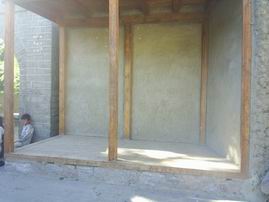
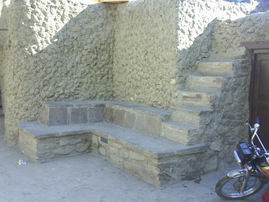
Jataq, or the common public space, is located
next to the Himaltar and the Altit settlement is placed between it and
the Fort. This may well reflect the royal desire to keep community
activities at a distance. Enclosed by four verandahs attached to
traditional houses the Jataq has historically been a place of great
cultural significance. It has provided space for events, social
gatherings, religious and traditional festivals. The verandahs
provided seating for the king, the nobles or elders of the village.
Village folk would gather in this space to listen to songs, and watch
colorful dance performances. For the 4 traditional clans of Altit; the
Hussainukutz, the Shushoroting, the Khunukutz and the Hakalukutz, the
Jataq holds a wealth of memories, some narrated to the young by the
elders, others shared by the community. One such historic event is the
King and his family standing on the top balcony of the fort to watch
the villagers dance and sing during the Ginani or barely festival.
Salient Feature(s):
This space is a cultural asset and a repository of historical
memories as well as manifestation of the settlement's socio-political
history. The visual relationship of the fort’s balcony with the Jataq
is a testimony of the political structure, at a time when the Raja was
all-powerful and had little contact with the citizenry.
State of Conservation and Site Management:
Cleaned for public events, plans for the revival of the Jataq have
been developed by the AKCS-P while the Japanese government has shown
interest in providing funds for its conservation and rehabilitation.
| Add to Favorite | Set As Home Page|